Unraveling Dealer Session Pacing Patterns and Their Ties to Portable Platform Advancement Tracks
Yara Zimmermann · Sep 24, 2026

Unraveling Dealer Session Pacing Patterns and Their Ties to Portable Platform Advancement Tracks
Dealer session pacing patterns refer to the measured intervals between card deals, player decisions, and game resolutions that define live dealer experiences across digital channels, and these rhythms connect directly to how portable platforms evolve their technical infrastructure and user progression systems.
Observed Patterns in Live Dealer Timing
Industry data shows that dealers maintain average cycle times between 25 and 40 seconds per hand in blackjack sessions streamed to mobile devices, while roulette rounds often stretch to 45 seconds when wheel spins include extended betting windows. These intervals shift based on table occupancy and regulatory requirements that mandate visible shuffle procedures at set frequencies.
Research from the Nevada Gaming Control Board indicates that sessions with consistent 30-second pacing correlate with longer continuous play periods on wireless networks, whereas irregular timing tied to technical buffering produces measurable drops in session duration. Observers note that platforms adjust stream quality dynamically to preserve these pacing standards during peak hours.
Connections to Mobile Infrastructure Growth
Portable platform advancement tracks incorporate latency reduction protocols that align dealer video feeds with player input processing, and data reveals these upgrades often follow patterns identified in session timing logs. When pacing exceeds 35 seconds consistently, operators record higher rates of session abandonment on cellular connections compared to Wi-Fi environments.
According to reports compiled by the American Gaming Association, mobile live dealer traffic increased 18 percent year-over-year through 2025, driven by improvements in adaptive bitrate streaming that maintain dealer rhythm even under variable bandwidth conditions. These enhancements allow platforms to support simultaneous multi-table participation without disrupting individual session flows.
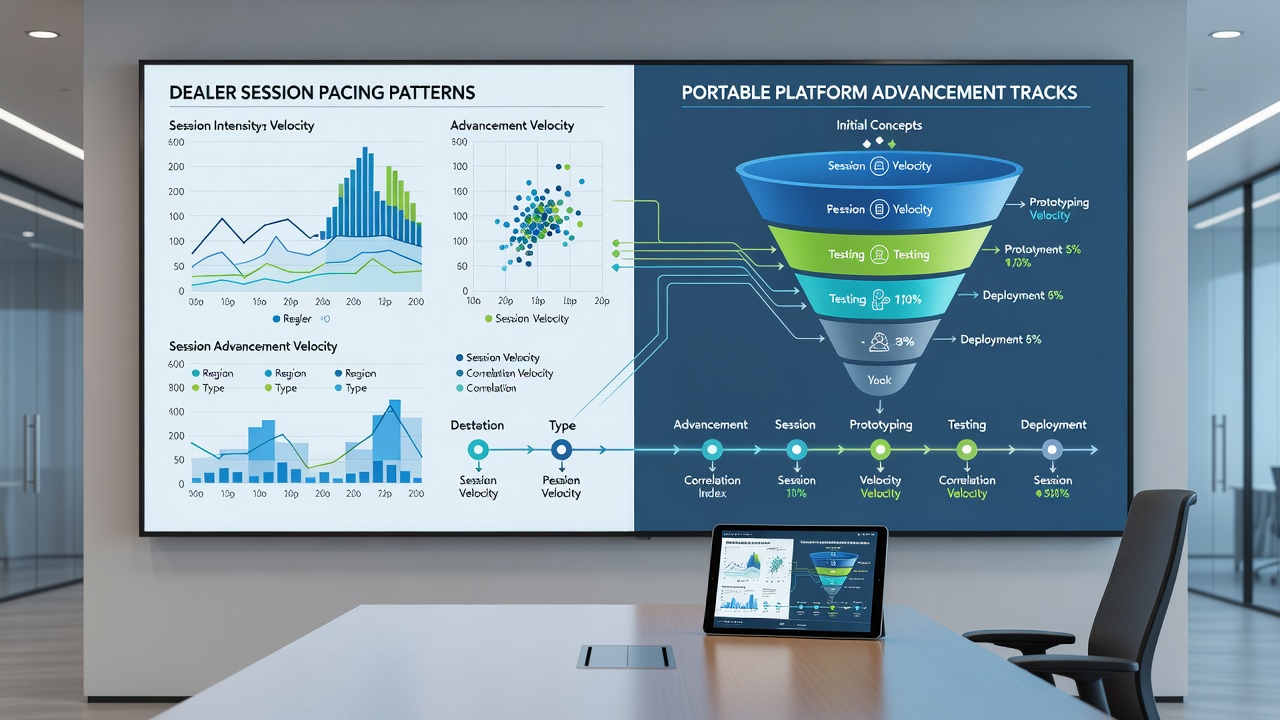
Technicians track metrics such as round completion rates and decision latency to refine app architectures, and findings show that platforms achieving sub-50-millisecond response times between dealer actions and player interfaces achieve higher retention across rated accounts. This technical alignment supports advancement pathways where users progress through loyalty tiers based partly on accumulated session data.
Impact on User Progression Systems
Advancement tracks within portable wagering ecosystems rely on aggregated session statistics that include pacing consistency as one variable among many, and operators integrate these figures into algorithms that determine bonus eligibility and tier status. Studies compiled by the University of Nevada, Las Vegas gaming research division demonstrate that players maintaining sessions with steady dealer rhythms reach higher engagement milestones at faster rates than those experiencing frequent interruptions.
September 2026 marks the scheduled rollout of enhanced cross-device synchronization standards across several major operators, which will standardize pacing data collection between desktop and mobile environments. These updates aim to create unified progression models that treat live dealer timing as a core component of loyalty calculations.
Patterns linking pacing stability to reward sequences appear in operational reports from multiple jurisdictions, where consistent 28-to-32-second blackjack cycles associate with elevated point accumulation on mobile applications. Developers respond by embedding predictive buffering tools that anticipate network fluctuations and preserve timing integrity.
Technical and Regulatory Influences
Regulatory frameworks in various regions require transparent timing logs for live dealer operations, and compliance systems now interface directly with platform analytics dashboards. This integration allows operators to adjust dealer staffing and stream parameters in real time while meeting oversight standards.
Evidence from Canadian provincial gaming authorities shows that mobile platforms incorporating pacing analytics experience fewer compliance incidents related to game fairness demonstrations. The same datasets feed into advancement track refinements that reward players for sustained participation under controlled timing conditions.
Future Developments in Session Tracking
Platform engineers continue mapping dealer pacing variables against device performance indicators, and upcoming firmware updates scheduled for late 2026 will introduce granular controls over stream synchronization. These changes build on existing patterns where stable timing supports extended play sessions and tier progression on portable devices.
Industry organizations document how these technical ties influence overall ecosystem growth, with mobile live dealer segments showing particular sensitivity to pacing consistency across different connection types. Observers track these developments through quarterly performance summaries that highlight correlations between session structure and platform capability expansions.
Conclusion
Dealer session pacing patterns provide measurable inputs that shape portable platform development priorities and user advancement mechanisms, and ongoing data collection supports refinements in both technical delivery and loyalty frameworks. As operators prepare for September 2026 implementations, the relationship between timing stability and mobile progression systems remains a central focus of industry analytics efforts.