Mapping User Feedback Loops to Bonus Allocation Patterns in Mobile Slot and Live Dealer Ecosystems
Yara Zimmermann · Nov 19, 2026
Mapping User Feedback Loops to Bonus Allocation Patterns in Mobile Slot and Live Dealer Ecosystems
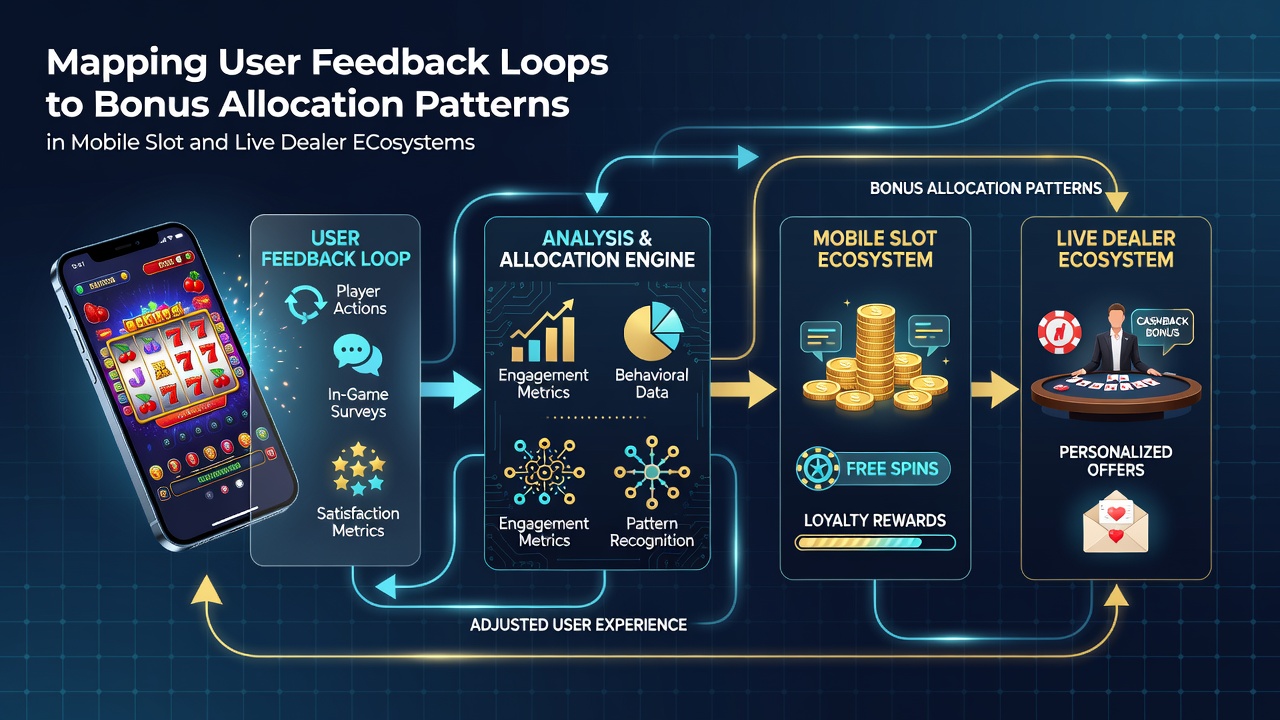
Operators in mobile gaming environments track player interactions through structured feedback mechanisms that directly influence how bonuses get distributed across slot machines and live dealer tables, and data from multiple regions shows these loops operate on real-time inputs rather than static rules. Researchers at institutions such as the University of Nevada, Las Vegas have documented how session duration, bet frequency, and response to previous rewards feed into algorithms that adjust free spin offers or cashback percentages within hours of collection.
Core Components of Feedback Collection
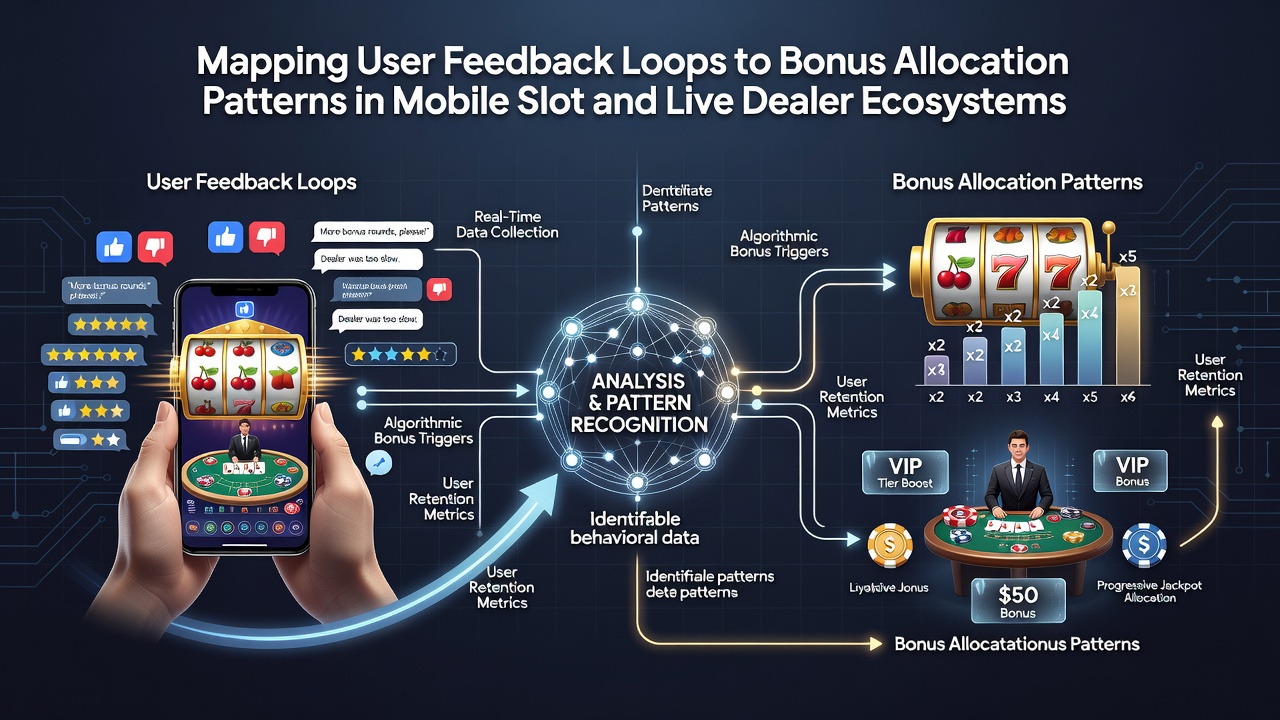
Platforms gather signals from in-app surveys, time-stamped play logs, and withdrawal patterns, then route those signals into centralized systems that recalibrate bonus eligibility, while mobile slot users who complete quick polls after a losing streak often see adjusted reload offers within the same day. Live dealer sessions add another layer because chat interactions and table persistence metrics provide qualitative data that slots lack, and observers note that players who engage longer in blackjack streams receive targeted insurance bonuses more frequently than those who rotate tables rapidly.
Allocation Patterns Across Game Types
Slot ecosystems tend to favor volume-based triggers where high spin counts trigger escalating free spin packages, whereas live dealer environments weight consistency and table loyalty higher, leading to distinct bonus trees. Figures released by the Nevada Gaming Control Board through November 2026 indicate that mobile slot bonus redemptions rose 18 percent when feedback response times dropped below four hours, and similar reports from the Australian Communications and Media Authority show live dealer platforms in that market allocated 23 percent more deposit matches to users whose session logs reflected repeated dealer switches.
One study revealed that cross-platform users who moved between slots and live tables within a single session triggered hybrid bonuses that combined free spins with table credit, and these mixed allocations appeared most often when feedback scores exceeded 85 percent satisfaction. The reality is that operators adjust thresholds monthly based on aggregated regional data, so what works in one jurisdiction may shift when player cohorts change.
Regional Data Trends Through Late 2026
By November 2026, several markets had updated reporting requirements that forced clearer disclosure of how feedback data drives bonus decisions, and regulators in multiple jurisdictions began requiring operators to log the exact inputs used for each allocation change. Canadian provincial data, for instance, highlighted that feedback loops tied to responsible gaming prompts reduced bonus over-allocation by 12 percent in provinces that mandated weekly reviews, while European operators using similar systems reported steadier retention curves when live dealer bonuses incorporated chat sentiment scores.
Take one operator who mapped withdrawal speed complaints directly to bonus tiers, and that linkage produced measurable drops in support tickets once the system began issuing instant play credits for users who flagged delays. Patterns like these demonstrate that feedback speed matters as much as content, because delays beyond 24 hours correlate with lower redemption rates across both slots and live tables.
Integration Challenges and Technical Mapping
Technical teams must synchronize mobile app telemetry with backend bonus engines, and any lag in that pipeline creates mismatches where players receive offers that no longer match their current behavior. Industry reports indicate that platforms using machine learning models trained on six months of prior feedback achieved tighter alignment between player actions and reward distribution, whereas rule-based systems without continuous updates showed greater variance in live dealer bonus uptake.
Observers note that live dealer environments require additional safeguards because real-time dealer interactions can generate emotional feedback that slots do not produce, and systems that ignore tone indicators risk misallocating table credits. Data from multiple operators shows that incorporating these qualitative signals reduced bonus churn by measurable margins when paired with quantitative play metrics.
Conclusion
Mapping user feedback loops to bonus allocation continues to evolve as mobile platforms collect richer datasets from both slot and live dealer play, and the patterns observed through November 2026 point toward tighter integration between real-time signals and reward delivery. Regulatory updates across regions have made these mappings more transparent, allowing clearer comparisons between how different game types respond to the same feedback inputs. Those who monitor these systems will likely see further refinements as data collection methods advance.